
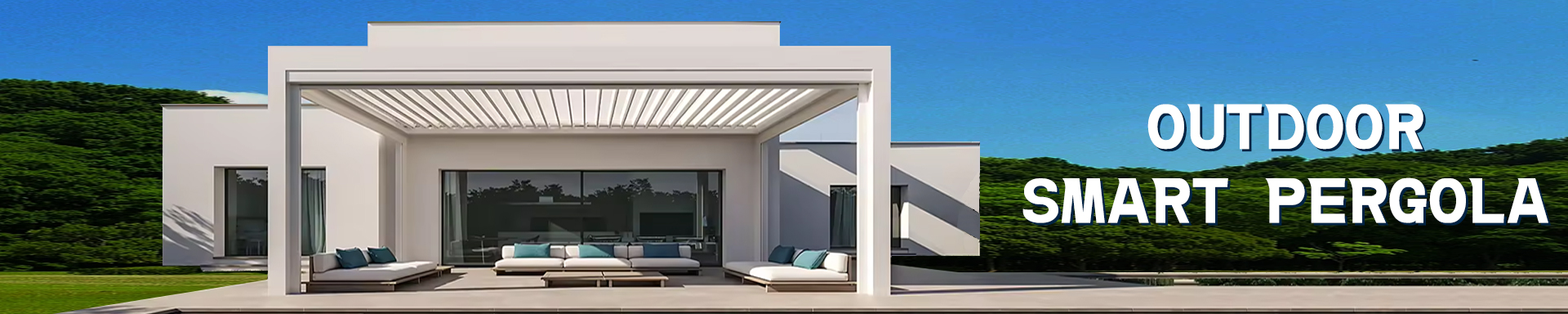
1. Overview of Aluminum Pergola Types
Aluminum pergolas are a versatile and durable choice for outdoor living spaces, offering both aesthetic appeal and functional shelter. These structures can transform a plain backyard into a stylish retreat while providing reliable protection from sun and rain. Choosing the right type of aluminum pergola depends largely on your lifestyle, budget, and operational preferences. Understanding the key types will help you make an informed decision.
1.1 Defining Motorized Aluminum Pergolas
Motorized aluminum pergolas feature automated louvers or retractable roofs that can be adjusted with the push of a button, remote control, or smartphone app. These pergolas are ideal for homeowners who want seamless control over sunlight and shade throughout the day. A typical motorized pergola setup allows you to:
-
Open or close the roof in seconds to control sunlight.
-
Integrate with smart home systems for scheduling or voice control.
-
Adjust ventilation by partially tilting the louvers.
For instance, a modern Aluminum motorized pergola installed over a poolside patio can automatically retract during light rain while still providing shade on sunny afternoons. These systems are engineered for long-term durability, with aluminum frames resistant to corrosion and wear on moving parts minimized by quality mechanical components.
1.2 Defining Manual Aluminum Pergolas
Manual aluminum pergolas, on the other hand, rely on hand-cranked or fixed-louver systems. They are simpler, more cost-effective, and require no electricity to operate. Users can adjust the roof or louvers manually, making them ideal for smaller patios or areas where automation isn’t necessary.
Key features include:
-
Lightweight aluminum frames that resist rust and fading.
-
Fixed or manually adjustable louvers for basic sun control.
-
Lower upfront and maintenance costs compared to motorized versions.
A classic example is a modern aluminum pergola in a backyard dining area, providing a stylish setting for outdoor meals while allowing manual adjustment to block direct sunlight during peak hours.
1.3 Key Functional Differences
| Feature | Motorized Aluminum Pergola | Manual Aluminum Pergola |
|---|---|---|
| Roof Operation | Automated, remote-controlled | Hand-crank or fixed |
| Convenience | High, effortless adjustment | Moderate, manual effort |
| Cost | Higher initial investment | Lower initial investment |
| Maintenance | Periodic mechanical checks | Minimal, mainly cleaning |
| Smart Integration | Compatible with smart home systems | Not compatible |
In practice, choosing between these two types depends on your priorities. Motorized systems are perfect for convenience, adaptability, and tech integration, while manual pergolas deliver reliable shelter and aesthetic appeal at a lower cost. Whether you’re enhancing a small patio or building a backyard oasis, understanding these differences ensures you select the right aluminum pergola to fit your lifestyle and outdoor space. For more comprehensive options, explore the full range of Aluminum Pergolas to find styles and sizes that meet your needs.
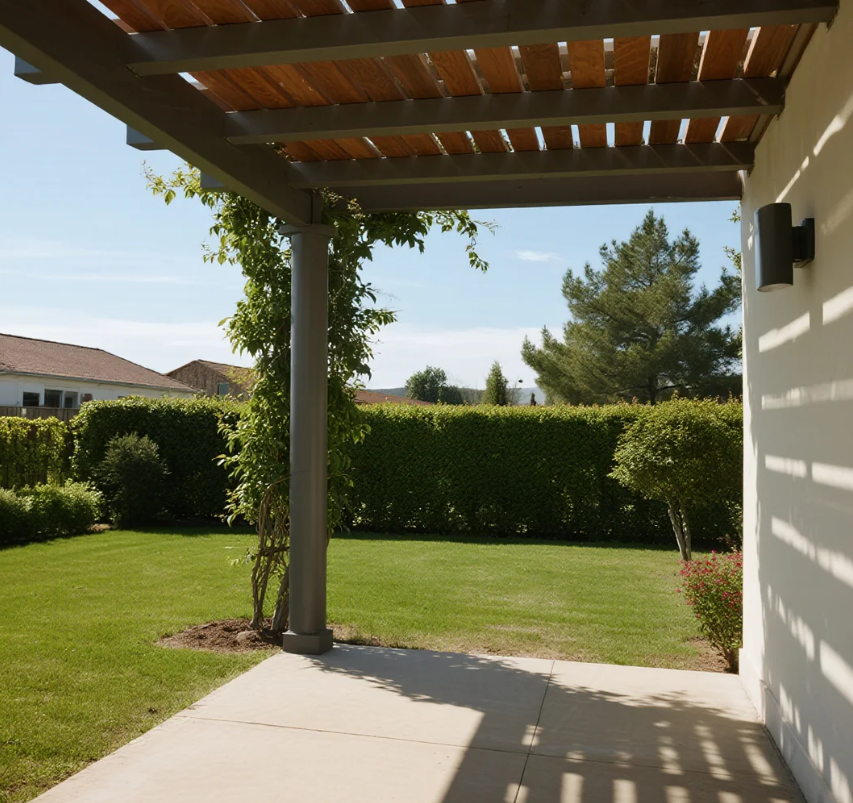
2. Cost Comparison Between Motorized and Manual Pergolas
Choosing between a motorized aluminum pergola and a manual one often comes down to cost considerations, both upfront and long-term. Each type offers distinct advantages, but understanding the financial implications helps homeowners make smarter decisions for their outdoor space.
2.1 Initial Purchase Costs
Motorized pergolas usually demand a higher initial investment due to the integration of electric motors, automated louver systems, and often smart home compatibility. On average, a standard motorized aluminum pergola can cost between $5,000 to $12,000, depending on size, features, and roof materials. In contrast, a manual aluminum pergola typically ranges from $2,500 to $7,000, providing a more budget-friendly option for those who prioritize style and function without automation.
For example, installing a mid-sized motorized pergola over a backyard patio with retractable louvers and built-in LED lighting can push the cost to around $10,500, whereas a manually operated pergola of similar dimensions would only be about $4,800. The choice often reflects how much value the homeowner places on convenience and automated functionality. For homeowners interested in multiple options, exploring a modern motorized pergola lineup can highlight different feature tiers and pricing variations.
2.2 Installation Costs and Complexity
Installation is another significant factor impacting total costs. Motorized systems require professional setup due to electrical wiring, motor calibration, and sometimes structural reinforcements. On average, professional installation of a motorized pergola ranges from $800 to $2,500, depending on location and complexity.
Manual pergolas are simpler to install, often achievable with a basic handyman or DIY approach, especially for standard sizes. Professional installation for a manual system typically costs $500 to $1,200. The steps for motorized installation generally include:
-
Site preparation and leveling the foundation.
-
Assembling the aluminum frame and securing anchors.
-
Installing electrical components, including motors and wiring.
-
Configuring automated louvers and testing the control system.
In practice, choosing a motorized system involves higher upfront installation effort, but it delivers convenience and smart automation that manual systems cannot match.
2.3 Long-Term Maintenance Expenses
Long-term maintenance also differentiates these two pergola types. Motorized pergolas require periodic checks on motor function, electrical systems, and louver alignment. Maintenance costs can range from $150 to $400 annually, depending on system complexity and usage frequency. However, the aluminum frame itself remains virtually maintenance-free due to its corrosion resistance.
Manual aluminum pergolas are inherently low-maintenance. Cleaning and inspecting the frame and louvers once or twice a year is usually sufficient, keeping yearly maintenance costs under $50 to $100. For households that prioritize minimal upkeep, a manual aluminum patio cover or pergola often proves more cost-effective over time.
Overall, the total cost of ownership for a motorized pergola will be higher initially and slightly higher annually, but the convenience and adaptability often justify the price for tech-savvy homeowners. Manual systems provide solid performance and long-lasting durability at a fraction of the cost, making them ideal for those seeking a budget-conscious solution.
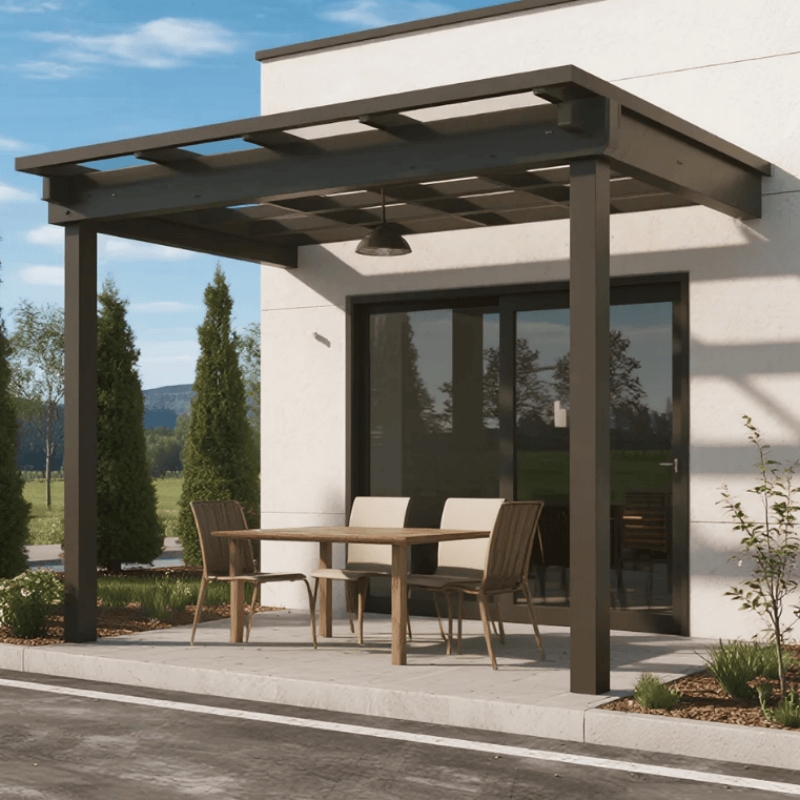
3. Usability and Convenience
When evaluating an aluminum pergola, usability and convenience directly impact daily enjoyment. Motorized and manual systems differ significantly in how they interact with users, especially in terms of operation, adjustability, and accessibility.
3.1 Ease of Operation
Motorized aluminum pergolas excel in ease of operation. With the push of a button or remote control, the louvers can tilt or retract within 10–20 seconds, offering instant shade or open-air comfort. This is particularly useful for homeowners with busy schedules or limited mobility, as it removes the need for manual adjustments. In contrast, manual pergolas require physical effort to slide or rotate the louvers, which can take 1–3 minutes depending on the size, and may be cumbersome for elderly users or large installations. For those considering a hassle-free upgrade, a modern motorized pergola provides smart operation without compromising the classic aluminum frame aesthetics.
3.2 Adjustability for Sun and Rain Protection
The ability to control sunlight and rain exposure is a key usability factor. Motorized systems allow precise louver angles, giving users the flexibility to block harsh sun in the afternoon or allow ventilation during hot days. On average, motorized pergolas offer up to 120° of rotation per louver, ensuring optimal coverage. Manual pergolas provide similar functionality but often in fixed increments, making fine adjustments less convenient. For instance, a homeowner who wants full coverage during sudden rain may need 2–3 manual adjustments, whereas motorized systems achieve it instantly. This enhanced adjustability improves comfort for outdoor dining, lounging, or entertaining.
3.3 Accessibility for Different Users
Accessibility is crucial for families with children, elderly residents, or people with disabilities. Motorized aluminum pergolas allow integration with smart home systems, enabling control via smartphones or voice assistants. This feature ensures that everyone in the household can operate the pergola effortlessly. Manual systems, while simpler and more affordable, require physical reach and strength, which may limit usability for certain users. For patios or decks that host frequent gatherings, choosing a motorized pergola increases inclusivity, making it easier for all guests to enjoy the outdoor space comfortably.
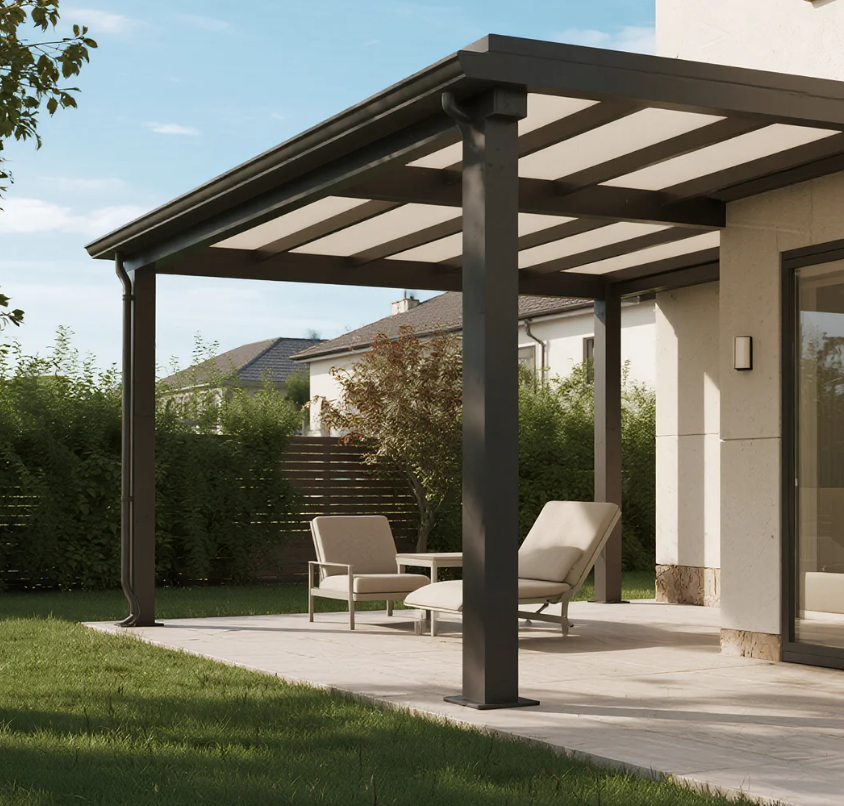
4. Durability and Material Considerations
Durability is a decisive factor when choosing an aluminum pergola because it directly affects long-term value and user satisfaction. Different aluminum grades, protective coatings, and the design of moving parts all determine how well the pergola withstands time, weather, and frequent use.
4.1 Aluminum Grades and Coating Options
High-quality pergolas use 6061-T6 or 6063-T5 aluminum, which provides a superior balance of strength and corrosion resistance. 6061-T6 is commonly used for structural beams and can support heavier roofs or added features, while 6063-T5 is ideal for louvers and trim due to its smoother finish. Coating options like powder-coated finishes offer UV resistance and prevent oxidation, extending the lifespan by 15–20 years under regular outdoor exposure. A well-coated aluminum pergola can retain its original color and texture for over a decade, even in coastal regions with high salt content. For those seeking premium protection and aesthetics, a modern aluminum motorized pergola integrates robust aluminum with a weatherproof finish.
4.2 Wear and Tear on Moving Parts
Motorized systems introduce mechanical elements like motors, tracks, and hinges that are subject to wear. In high-use scenarios, the motorized louvers may require inspection every 12–18 months, lubrication of moving parts, and occasional tightening of screws to maintain smooth operation. Manual pergolas have simpler sliding mechanisms, but repeated adjustments can cause hinge fatigue over 5–7 years, especially in larger installations. To minimize long-term wear:
-
Use marine-grade stainless steel screws for all moving joints.
-
Apply silicone-based lubricant to rotating louvers twice a year.
-
Regularly inspect alignment of tracks to prevent strain on motors or handles.
Following these steps ensures that both motorized and manual systems maintain peak performance and reduce unexpected repair costs.
4.3 Weather Resistance and Longevity
Aluminum pergolas are highly resistant to rust and corrosion, making them suitable for rainy, humid, or coastal environments. Louvers with tight seals prevent water ingress, while reinforced posts and beams withstand winds up to 90 mph when properly anchored. Powder-coated finishes additionally provide UV protection, reducing color fading by 30–50% compared to untreated surfaces. For longevity-conscious buyers, selecting a pergola with marine-grade hardware and weather-tested finishes guarantees over 20 years of reliable outdoor use. This durability ensures that whether you have a small patio or a large backyard installation, the pergola remains structurally sound and visually appealing.

5. Customization and Optional Features
Modern aluminum pergolas are no longer just simple shade structures—they offer extensive customization options that enhance both functionality and aesthetic appeal. Selecting the right combination of features can dramatically improve comfort, usability, and long-term satisfaction.
5.1 Integration with Smart Home Systems
Many motorized aluminum pergolas now support smart home integration, allowing homeowners to control louvers, lighting, and retractable shades through apps, voice assistants, or timers. Integration steps typically include:
-
Connecting the pergola motor system to a smart hub compatible with Alexa, Google Home, or Apple HomeKit.
-
Configuring automated schedules for sun and rain protection.
-
Synchronizing lighting and shading controls with other smart home devices for unified operation.
For example, a modern aluminum motorized pergola installed in a backyard patio can automatically close its louvers when rain is detected, while simultaneously activating integrated LED lighting in the evening. This level of automation adds convenience and protects the structure, reducing wear on manual components.
5.2 Lighting, Shades, and Accessories
Customization extends beyond automation. Integrated LED lighting, retractable shades, side panels, and planters can transform an aluminum patio cover into a fully functional outdoor living space. Installation tips include:
-
Plan electrical layouts before installation to accommodate LED strips or outlets.
-
Choose compatible shade materials for UV protection and privacy.
-
Add accessories like weatherproof planters or ceiling fans for enhanced comfort.
For homeowners seeking a cohesive design, these add-ons not only increase usability but also elevate the aesthetic appeal of the pergola. Combining multiple features strategically can create a backyard space suited for both daytime lounging and evening entertainment.
5.3 Size and Design Flexibility
Aluminum pergolas offer size and design flexibility that suits various spaces—from compact patios to expansive decks. Standard modular options simplify installation, while fully custom dimensions accommodate irregular outdoor layouts. Design choices can include:
-
Louver styles: Fixed, slanted, or adjustable louvers for optimal sun control.
-
Structural options: Posts, beams, and support types to match both aesthetic and functional needs.
-
Roofing: Solid, retractable, or hybrid designs for rain and shade management.
A well-planned layout ensures balanced proportions, effective water drainage, and seamless integration with existing landscaping or outdoor furniture. Choosing the right combination of size and features ensures the pergola is both visually appealing and fully functional for everyday use.